Established
Operating history
Power Gate delivers substations, transmission, distribution, commissioning, and logistics-backed field execution for infrastructure projects across Iraq.
Substations To Distribution
Testing And Commissioning
Logistics And Field Support
Project Signal
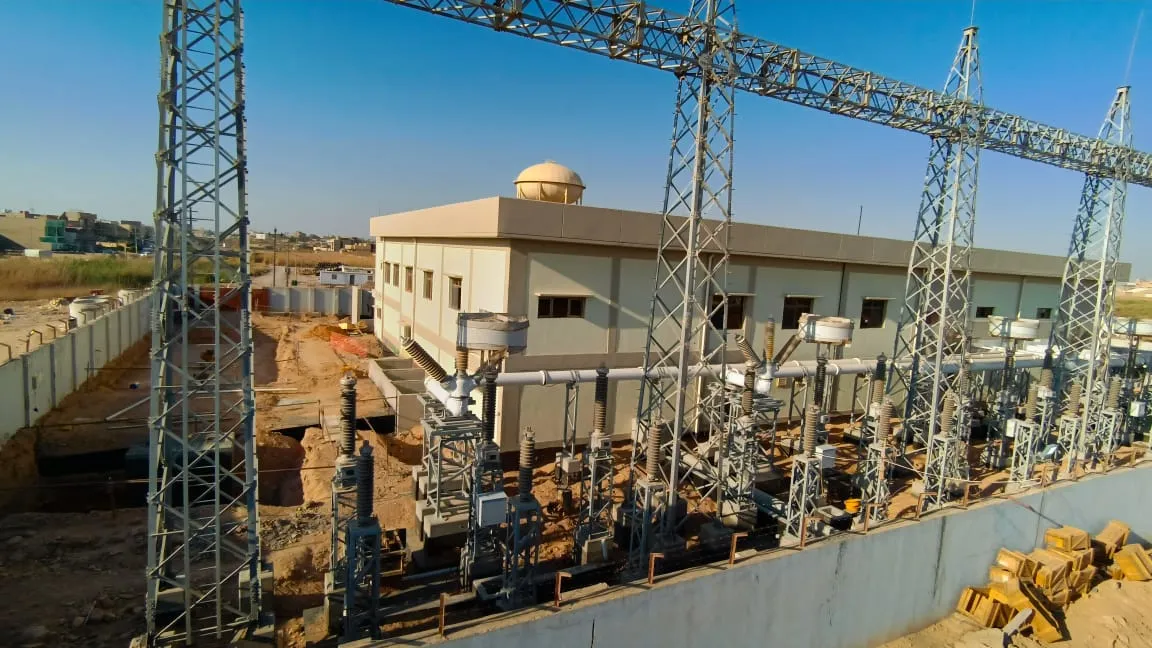
Featured substation imagery from Iraq Power Gate's public project record.
The homepage highlights operating scope, delivery breadth, and Iraq-focused readiness without depending on unconfirmed counts.
Established
Operating history
Multi-Project
Delivery experience
Iraq-Focused
Delivery footprint
Substations To Distribution
Scope breadth
Delivery Model
Power Gate is positioned around practical delivery in Iraq: substation work, transmission and feeder scopes, distribution infrastructure, testing, commissioning, and the logistics support required to keep field work moving.
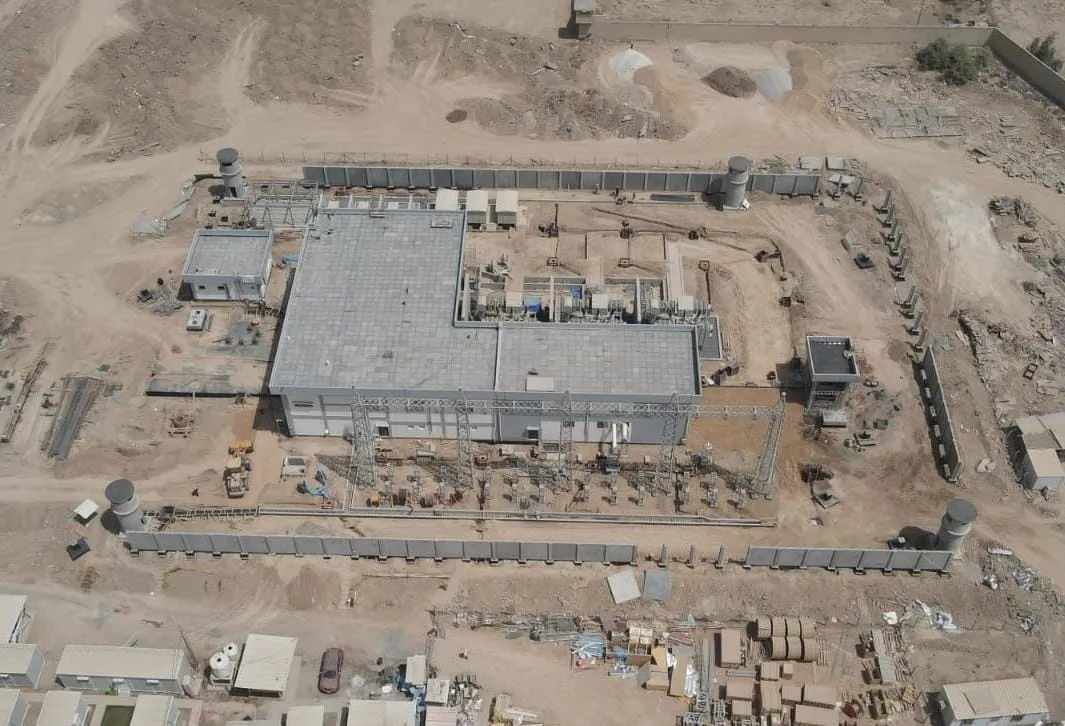
The homepage capabilities stay close to the verified competency set and summarize how the business supports power-infrastructure delivery across Iraq.
Substation packages, upgrades, and associated electrical infrastructure aligned to utility and infrastructure programs.
Structured service scope
01Overhead and underground network scopes that support grid expansion and connection work.
Structured service scope
02Distribution-network work that links infrastructure delivery to end-use supply requirements.
Structured service scope
03Testing, commissioning, and handover support tied to practical site-readiness and delivery closeout.
Structured service scope
04Integrated site execution across the civil, mechanical, and electrical parts of infrastructure delivery.
Structured service scope
05Operational support that helps procurement, warehousing, field mobilization, and ongoing delivery coordination.
Structured service scope
06Logistics, warehousing, equipment support, and field mobilization reinforce the company's ability to execute beyond design and construction scope alone.
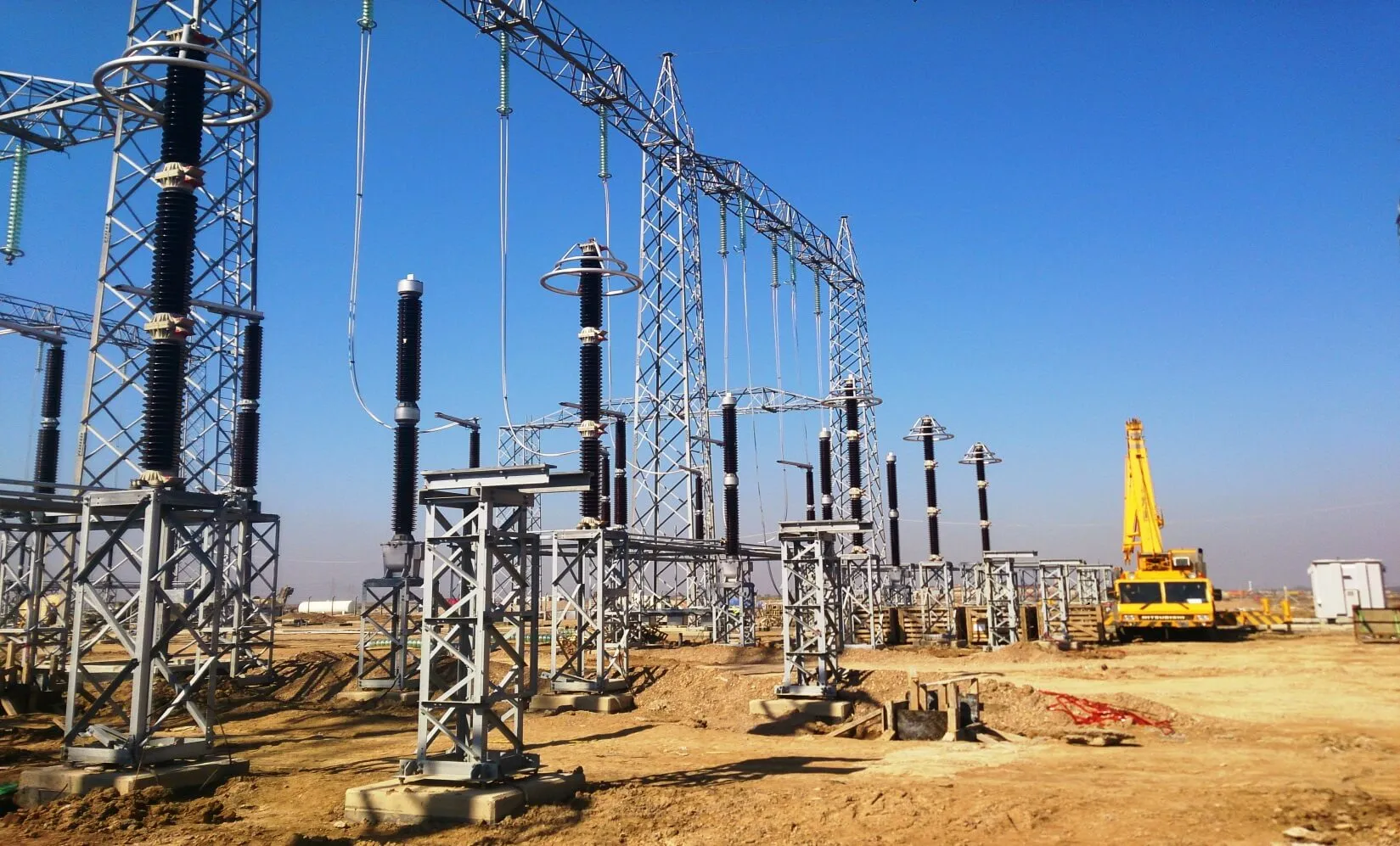
Public company material presents Baghdad and Basra warehousing support, including open-yard and closed-storage capacity linked to project delivery.
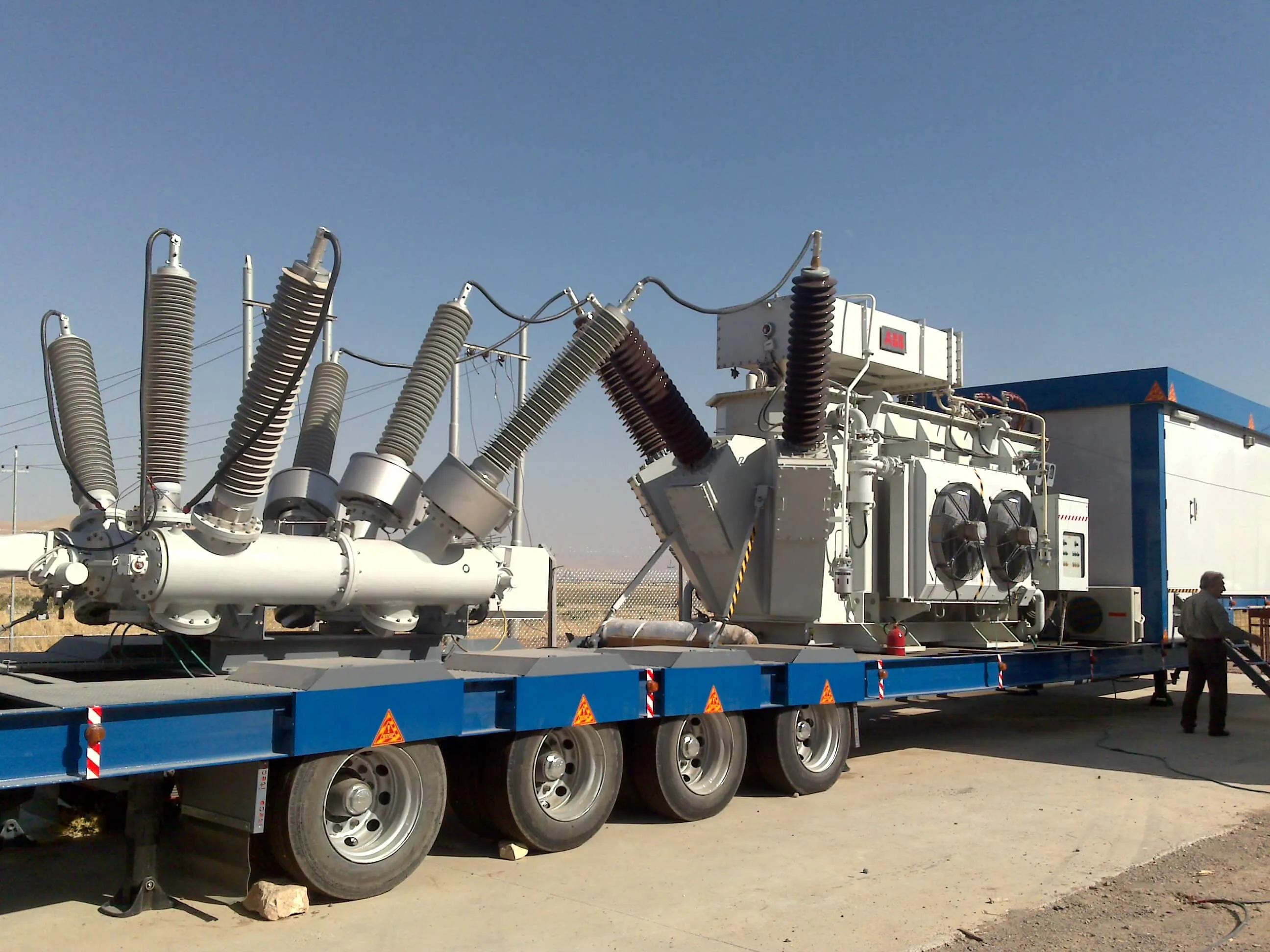
Public equipment listings point to loading, unloading, lifting, and field-support assets used to support active site work.
Procurement and logistics are positioned as active project enablers rather than background administration, helping materials and equipment move through live delivery conditions.
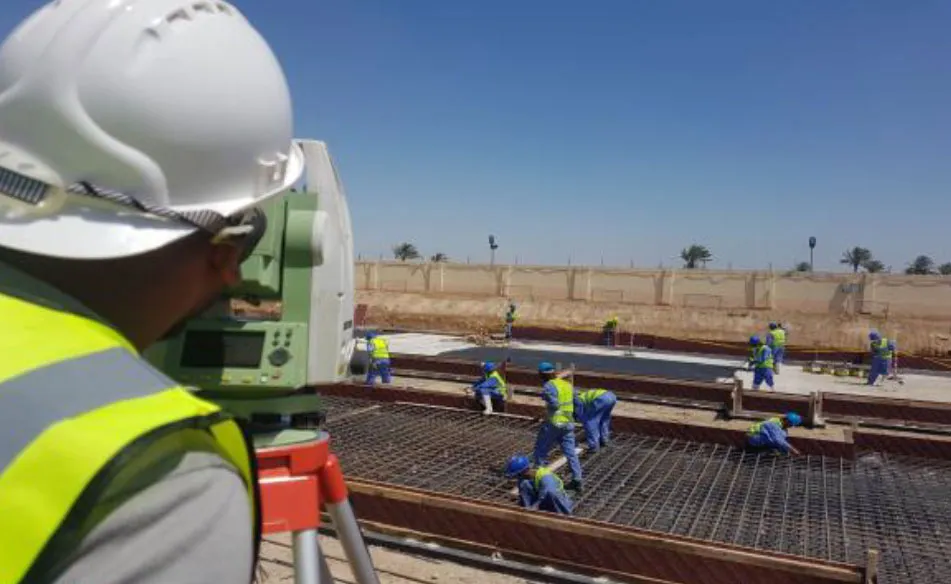
Readiness is framed through local movement, site support, and the practical systems needed to keep field execution progressing across multiple project environments.
HSE, quality, and project oversight are presented as work controls and supervision systems rather than unsupported compliance claims.
Safety is framed through planning, permits, toolbox talks, site controls, and supervision rather than unsupported performance slogans.
The HSE material points to planning, monitoring, audits, reviews, and contractor control. The standards page keeps those governance signals while removing absolute claims.
Quality is presented through procedures, inspections, codes, standards, and project-specific control plans.
The quality section centers on quality control plans, management responsibility, inspections, and codes in clearer commercial language.
Supervision, review, and delivery oversight tie HSE and quality back to real execution conditions on complex project work.
The combined standards route makes safety, quality, and oversight read as one delivery-control system rather than separate brochure pages.
The trust layer stays focused on project types, operating scope, and delivery signals visible across the company's public record.
Use the contact route for project inquiries, tender discussions, and infrastructure delivery conversations.